
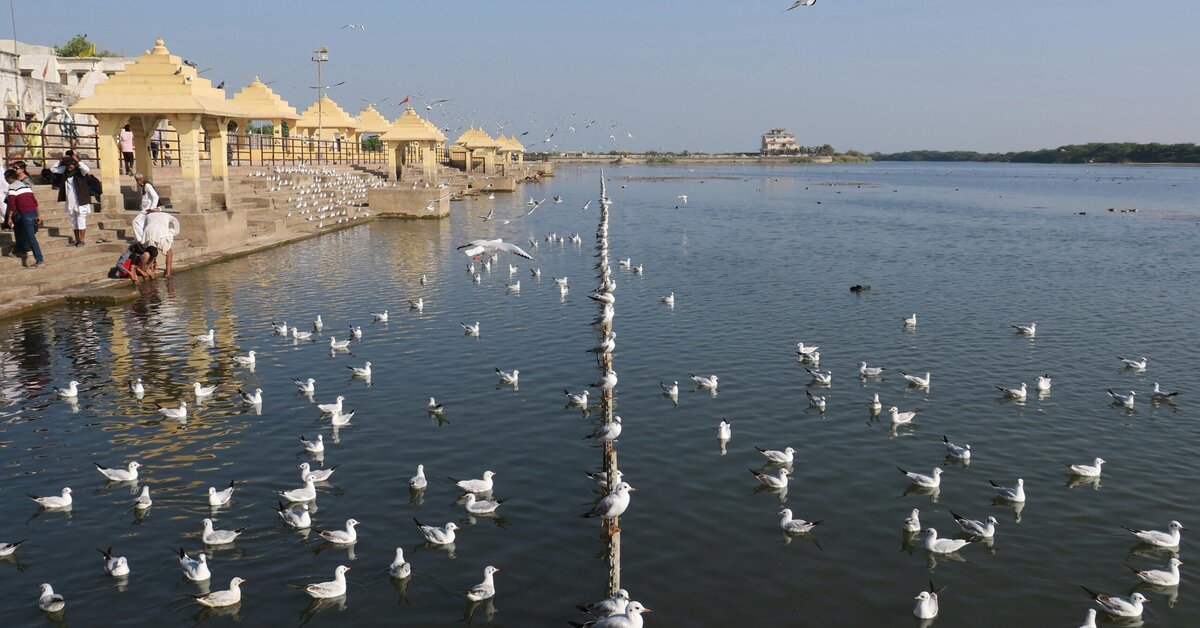
Varanasi Ayodhya Prayagraj Tour Package by Cab , Imagine embarking on a spiritual journey that connects three of India’s most sacred cities—Varanasi, where the Ganges flows with centuries of devotion; Ayodhya, the birthplace of Lord Ram and one of Hinduism’s seven holiest cities; and Prayagraj, home to the legendary Triveni Sangam where three holy rivers converge. This isn’t just a tour—it’s a pilgrimage through the spiritual heartland of India.
For countless pilgrims and travelers, visiting these three cities together completes a sacred circuit that touches the core of Hindu spirituality and Indian heritage. But here’s the challenge: these cities are spread across Uttar Pradesh, connected by roads that require careful planning to navigate efficiently. How do you visit all three without the stress of multiple train bookings, bus schedules, and luggage transfers?
Enter the Varanasi-Ayodhya-Prayagraj tour package by cab—a solution that combines spiritual depth with practical convenience. With a private vehicle at your disposal, you control the pace, customize your stops, and transform what could be a logistical nightmare into a seamless spiritual journey.
Whether you’re a devout pilgrim seeking darshan at sacred sites, a family wanting to connect with cultural roots, or a traveler fascinated by India’s spiritual traditions, this tour package offers the perfect balance of flexibility, comfort, and comprehensive coverage of these three extraordinary cities.
Let me walk you through everything you need to know about planning this sacred triangle tour by cab—from understanding what’s included to choosing the right package for your needs.
Understanding the Varanasi-Ayodhya-Prayagraj Connection
Before diving into package details, let’s understand why these three cities form such a powerful spiritual circuit.
Historical and Religious Significance
These aren’t random tourist destinations—they’re three pillars of Hindu spirituality, each with unique significance:
Varanasi (Kashi): One of the world’s oldest continuously inhabited cities and the most sacred city in Hinduism. Believed to be Lord Shiva’s eternal abode, it’s where Hindus seek moksha (liberation from the cycle of rebirth). The Ganges here is considered especially purifying, and dying in Varanasi is thought to grant instant liberation.
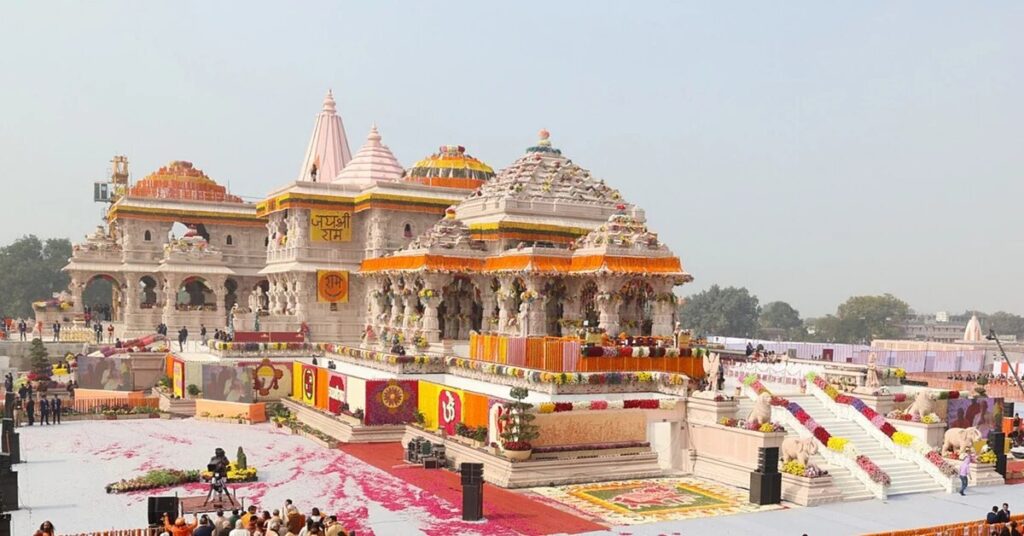
Ayodhya: The birthplace of Lord Ram, hero of the Ramayana epic and one of Hinduism’s most beloved deities. Ayodhya represents dharma (righteous living) and ideal governance. For millions of Hindus, visiting Ram Janmabhoomi (Ram’s birthplace) is a cherished spiritual goal.
Prayagraj (Allahabad): Home to the Triveni Sangam, where the Ganges, Yamuna, and mystical Saraswati rivers meet. This confluence is considered one of Hinduism’s most sacred spots. Bathing here, especially during the Kumbh Mela, is believed to cleanse all sins. Prayagraj also has deep connections to Hindu mythology and historical significance from the Mughal and British periods.
Why Pilgrims Visit All Three Together
Visiting all three cities creates a complete spiritual experience:
Comprehensive pilgrimage: You’re touching three distinct aspects of Hindu spirituality—Shiva worship in Varanasi, Ram devotion in Ayodhya, and sacred river confluence in Prayagraj.
Geographic logic: They form a natural circuit in eastern Uttar Pradesh, making combined visits practical.
Spiritual merit: Traditional belief holds that visiting these sacred sites together multiplies spiritual benefits.
Cultural depth: Each city offers different perspectives on Indian spirituality, history, and culture, creating a richer understanding than visiting just one.
Efficient use of time: If you’re traveling from other parts of India or abroad, combining all three maximizes your journey’s spiritual return.
The Geographic Triangle
Understanding the distances helps you plan:
- Varanasi to Ayodhya: Approximately 200 kilometers (124 miles), roughly 4-5 hours by cab
- Ayodhya to Prayagraj: Approximately 165 kilometers (103 miles), roughly 3.5-4 hours by cab
- Prayagraj to Varanasi: Approximately 125 kilometers (78 miles), roughly 2.5-3 hours by cab
Total circuit distance: About 490 kilometers (304 miles). These are manageable distances that make a multi-city tour by cab perfectly feasible and far more comfortable than juggling trains or buses.
Why Choose a Cab Tour Package
Why opt for a cab package rather than planning independent travel between these cities?
Flexibility and Comfort
Control your schedule: Want to spend an extra hour at the Triveni Sangam because the experience is moving? With your own cab, you can adjust on the fly. Finished with Ayodhya temples earlier than expected? Leave when ready rather than waiting for a scheduled departure.
Door-to-door convenience: No hauling luggage through crowded railway stations or waiting at bus stops. Your cab picks you up from your hotel and drops you at the next destination’s doorstep.
Comfort during travel: Private, air-conditioned vehicles with comfortable seating make the 3-5 hour drives between cities far more pleasant than crowded trains or buses.
Stop anywhere: See an interesting temple or viewpoint during the drive? You can stop. Need a bathroom break? Stop whenever needed. This flexibility is especially valuable for families with children or elderly members.
Time Efficiency
Direct routes: Cabs take you directly between cities, unlike trains that might require connections or buses with multiple stops.
Optimize your time: You’re not bound by train schedules that might depart at inconvenient times, wasting precious hours waiting.
Inter-city flexibility: If you want to add Sarnath (near Varanasi) or Chitrakoot (near Prayagraj), your cab can include these without complicated rebooking.
Early starts possible: Want to catch sunrise at the Ganges then drive to Ayodhya? With a cab, you control timing rather than conforming to rigid transportation schedules.
Cost-Effectiveness for Groups
Better value for families: A cab accommodating 4-7 people costs significantly less per person than individual train or bus tickets, especially when you factor in the comfort and convenience.
No hidden transport costs: With trains, you’re still paying for rickshaws or cabs at each destination to get around. Tour packages often include local transportation too.
Group discounts: Many operators offer better rates for larger groups or multiple vehicles traveling together.
Customization Options
Tailored itineraries: Unlike fixed group tours, cab packages can be customized—want to spend two full days in Varanasi but just one in Ayodhya? Most operators accommodate.
Accommodation choice: Select hotels matching your budget and preferences rather than being assigned group tour accommodations.
Pace control: Spiritual travelers might want slower, more contemplative visits. Sightseeing tourists might prefer efficient coverage. Cab packages adapt to your style.
Special requests: Need to include specific lesser-known temples? Want vegetarian-only restaurants? Require accessibility accommodations? Private cab tours can address special needs that group tours can’t.
Tour Duration Options
How long should your Varanasi-Ayodhya-Prayagraj tour be? Options range from express to extended.
4-Day Express Tour
Who it’s for: Time-constrained travelers who want to hit the main highlights of all three cities.
What you’ll cover:
- Day 1: Arrive Varanasi, evening Ganga Aarti
- Day 2: Varanasi sightseeing (morning boat ride, Kashi Vishwanath, Sarnath), evening drive to Ayodhya
- Day 3: Ayodhya temples, afternoon drive to Prayagraj
- Day 4: Prayagraj Sangam visit, departure
Pros: Efficient use of time, lower cost, covers all three cities Cons: Rushed pace, less time for spiritual depth, lots of driving
5-Day Standard Tour
Who it’s for: Most travelers—balances comprehensive coverage with manageable pace.
What you’ll cover:
- Day 1: Arrive Varanasi, settle in, evening Aarti
- Day 2: Full day Varanasi (boat ride, temples, ghats, Sarnath)
- Day 3: Morning Varanasi activities, afternoon drive to Ayodhya
- Day 4: Ayodhya full day, evening drive to Prayagraj
- Day 5: Prayagraj sangam and sites, departure
Pros: Comfortable pace, time to absorb each city, not overly rushed Cons: Still requires early mornings and efficient planning
This is the most popular option for good reason—it hits the sweet spot between comprehensive coverage and comfortable pacing.
6-7 Day Comprehensive Tour
Who it’s for: Spiritual seekers, families wanting more relaxed exploration, travelers combining pilgrimage with cultural tourism.
What you’ll cover:
- Day 1: Arrive Varanasi
- Day 2: Full day Varanasi
- Day 3: Varanasi including Sarnath, evening at leisure
- Day 4: Drive to Ayodhya with stops at interesting points
- Day 5: Full day Ayodhya
- Day 6: Drive to Prayagraj, evening sangam visit
- Day 7: Prayagraj exploration, departure
Pros: Relaxed pace, deeper spiritual engagement, time for rest and reflection Cons: Requires more vacation time, higher cost
8+ Day Extended Spiritual Journey
Who it’s for: Serious pilgrims, retired travelers with flexible schedules, those wanting comprehensive spiritual and cultural immersion.
What you’ll add:
- Additional days in each city for deeper exploration
- Side trips to Vindhyachal (near Prayagraj), Chitrakoot, or Gaya
- Participation in special ceremonies or spiritual programs
- Time for personal rituals, meditation, or study
Pros: Complete spiritual immersion, no rush, comprehensive regional coverage Cons: Significant time and budget commitment
Detailed Itinerary Breakdown
Let me walk you through a detailed standard 5-day tour itinerary—the most popular option.
Day-by-Day Standard 5-Day Tour
Day 1: Arrival in Varanasi
Morning/Afternoon: Arrive in Varanasi (by flight, train, or beginning of cab journey if coming from another city). Your cab driver meets you at the airport/station with signage. Transfer to your hotel.
Check-in time: Usually 12:00-2:00 PM. Many packages arrange early check-in if you arrive in the morning.
Afternoon: Rest and acclimatize. Varanasi’s intensity benefits from gentle introduction. Optional: short walk around your hotel area or rest after travel.
Evening (5:30-8:00 PM):
- 5:30 PM: Cab takes you to Dashashwamedh Ghat
- 6:00-7:00 PM: Experience the spectacular Ganga Aarti ceremony. Many packages include boat positioning for best views.
- 7:30 PM: Short walk through the ghat area (with guide if included)
- 8:00 PM: Return to hotel, dinner, rest
Overnight: Varanasi hotel
Day 2: Varanasi Full Day Exploration
Early Morning (5:00-8:30 AM):
- 5:00 AM: Wake-up call (yes, it’s early, but essential)
- 5:30 AM: Cab to starting ghat
- 6:00-7:30 AM: Sunrise boat ride along the ghats—the spiritual highlight of Varanasi. Watch the city awaken, pilgrims bathing, yoga practitioners, and priests performing ceremonies.
- 7:30-8:30 AM: Walk along 2-3 major ghats or return to hotel for breakfast
Mid-Morning (9:30-12:30 PM):
- 9:30 AM: Visit Kashi Vishwanath Temple. Note: Lines can be long. Many packages arrange for special entry or VIP darshan for faster access.
- 11:00 AM: Explore nearby temples and the old city lanes
- 12:00 PM: Return to hotel
Afternoon (12:30-3:30 PM):
- 12:30-1:30 PM: Lunch and rest (essential)
- 2:30 PM: Depart for Sarnath
- 3:00-5:30 PM: Sarnath exploration—where Buddha gave his first sermon. Visit:
- Dhamek Stupa
- Sarnath Archaeological Museum
- Mulagandha Kuti Vihar temple
- Deer Park
Evening (6:00-9:00 PM):
- 6:00 PM: Return to Varanasi
- 7:00 PM: Optional second Aarti viewing from a different perspective, or evening walk through markets
- 8:00 PM: Dinner
- 9:00 PM: Rest and pack for next day’s journey
Overnight: Varanasi hotel
Day 3: Varanasi to Ayodhya (200 km, 4-5 hours)
Morning (6:00-11:00 AM):
- 6:00-7:00 AM: Optional early morning ghat visit or temple if you want one final Varanasi experience
- 7:00-8:00 AM: Breakfast
- 8:00-10:00 AM: Check out, last-minute shopping if desired
- 10:00 AM: Begin drive to Ayodhya
Journey (10:00 AM-3:00 PM):
- 10:00 AM-2:30 PM: Drive to Ayodhya with rest stops. Good packages include lunch stop at a clean roadside restaurant (vegetarian, as both cities are sacred and most packages maintain vegetarian food).
- 2:30-3:00 PM: Arrive Ayodhya, check into hotel
Afternoon (3:00-6:00 PM):
- 3:00-4:00 PM: Freshen up and rest
- 4:00-6:00 PM: First visit to Ram Janmabhoomi temple complex (less crowded late afternoon). If you’re Hindu and especially devoted, this is the spiritual centerpiece of Ayodhya—the birthplace of Lord Ram.
Evening (6:00-9:00 PM):
- 6:00-7:30 PM: Saryu River Aarti—similar to Ganga Aarti but with Ram bhajans and Ayodhya’s unique atmosphere
- 8:00 PM: Dinner
- 9:00 PM: Rest
Overnight: Ayodhya hotel
Day 4: Ayodhya to Prayagraj (165 km, 3.5-4 hours)
Morning (6:00 AM-12:00 PM):
- 6:00-7:00 AM: Optional morning Saryu darshan
- 7:00-8:00 AM: Breakfast
- 8:00-11:30 AM: Ayodhya temple tour:
- Hanuman Garhi: Major temple dedicated to Hanuman, requiring a climb but offering city views
- Kanak Bhawan: Beautiful temple gifted to Sita
- Other temples: Depending on your interest and time
11:30 AM-12:00 PM: Return to hotel, check out
Afternoon Journey (12:00-4:00 PM):
- 12:00-12:30 PM: Lunch
- 12:30 PM-3:30 PM: Drive to Prayagraj with rest stops
- 3:30-4:00 PM: Arrive Prayagraj, check into hotel
Late Afternoon/Evening (4:00-9:00 PM):
- 4:00-5:00 PM: Rest and freshen up
- 5:00-7:00 PM: First visit to Triveni Sangam—take a boat to the confluence point. Many pilgrims take a holy dip. This is the spiritual heart of Prayagraj. Even if you don’t bathe, witnessing the meeting of rivers is profoundly moving.
- 7:30 PM: Return to hotel
- 8:00 PM: Dinner
- 9:00 PM: Rest
Overnight: Prayagraj hotel
Day 5: Prayagraj Exploration and Departure
Morning (6:00 AM-12:00 PM):
- 6:00-7:00 AM: Optional sunrise return to Sangam for morning boat ride and holy dip
- 7:00-8:00 AM: Breakfast
- 8:00-11:30 AM: Prayagraj sightseeing:
- Allahabad Fort: Built by Akbar, contains the sacred Akshayavat tree and Patalpuri temple (underground temple)
- Hanuman Temple: Unique reclining Hanuman statue
- Anand Bhawan: Nehru family home, now a museum (optional, for those interested in independence history)
- Allahabad University and All Saints Cathedral (if time permits)
Late Morning/Afternoon (11:30 AM onwards):
- 11:30 AM: Check out from hotel
- 12:00 PM: Lunch
- 1:00 PM onwards:
- Option A: Transfer to Prayagraj Junction railway station or airport for onward journey
- Option B: Begin drive back to Varanasi (if your departure is from Varanasi—125 km, 2.5-3 hours)
- Option C: Continue to next destination if extending your tour
Tour Concludes
What’s Typically Included in Cab Tour Packages
Understanding inclusions helps you compare packages and avoid surprises.
Transportation Details
Always included:
- Private air-conditioned cab (sedan, SUV, or larger vehicle based on group size) for entire tour duration
- All fuel costs, driver allowances, tolls, parking fees, and state taxes
- Airport/railway station pickup at starting city
- Airport/railway station drop at ending city
- All intercity transfers (Varanasi-Ayodhya-Prayagraj)
- Local sightseeing transport in each city
Driver details:
- Experienced driver familiar with the route
- Driver accommodation and meals (not your responsibility)
- English-speaking drivers (in better packages)
Not typically included:
- Late-night usage beyond scheduled activities (though sometimes negotiable)
- Extensive detours far off the main route
Accommodation Options
Package accommodation varies by category:
Budget packages (₹8,000-12,000 per person for 5 days):
- 2-3 star hotels or clean guesthouses
- Standard rooms with basic amenities
- Double or triple occupancy
Mid-range packages (₹15,000-25,000 per person for 5 days):
- 3-4 star hotels or heritage properties
- Comfortable rooms with good amenities
- Better locations (often closer to main sites)
- Double occupancy standard
Luxury packages (₹30,000+ per person for 5 days):
- 4-5 star hotels or premium heritage properties
- Spacious rooms with premium amenities
- Best locations with views when possible
- Superior service and facilities
What’s typically included:
- 4 nights’ accommodation (for 5-day tour)
- Daily breakfast
- All hotel taxes
Customization: Most operators let you upgrade or downgrade hotels for adjusted pricing.
Meals and Food Arrangements
Typically included:
- Daily breakfast at hotels
- Sometimes 1-2 other meals (lunch or dinner), especially during long drive days
Not typically included:
- Most lunches and dinners
- Snacks and beverages during travel
- Special dietary requests beyond standard vegetarian options
Why meals are limited: Flexibility—travelers have different preferences and budgets for food. Better packages might include more meals or provide meal vouchers for specific restaurants.
Driver will know: Good restaurants at each location, both budget and mid-range options.
Guide Services
Varies significantly:
Budget packages: Usually no professional guide included. Driver provides basic information, or you explore independently.
Mid-range packages: Often include professional guide for 1-2 key days (like full day in Varanasi) or for specific sites (Kashi Vishwanath, Ram Janmabhoomi).
Premium packages: May include guide for most or all days, especially at major sites.
Additional option: You can always hire guides at specific locations independently (₹500-1500 per site typically).
Entry Fees and Activities
Usually included:
- Basic temple entries (most temples are free)
- Sarnath archaeological site and museum entry
- Allahabad Fort entry
Usually NOT included (pay directly):
- Boat rides (Varanasi sunrise boat, Prayagraj Sangam boat)
- Special darshan or VIP entries at temples
- Photography fees where applicable
- Personal puja/ceremony costs
- Donations at temples
- Shopping and personal expenses
Typical additional costs: Budget ₹3,000-6,000 per person for boats, special entries, and miscellaneous costs beyond the package price.
Varanasi Highlights in Tour Packages
What you’ll actually experience in Varanasi:
Ghats and Boat Rides
Morning sunrise boat ride: The absolute must-do. You’ll cruise past approximately 10-15 major ghats including Assi, Dashashwamedh, Manikarnika (cremation ghat), Harischandra, and others. Duration: 1.5-2 hours.
Ghat walking: Most packages include time to walk along ghats, observing rituals, meeting sadhus, and experiencing the energy. Key ghats you’ll likely cover: Dashashwamedh (main ghat), Manikarnika (cremation), Assi (southernmost major ghat).
Kashi Vishwanath Temple
The most sacred Shiva temple, recently renovated with a new corridor that’s quite impressive. Expect queues, security checks (phones and cameras not allowed inside), and intense devotional atmosphere. Special/VIP darshan can be arranged through better packages for faster access.
Sarnath Excursion
Located 10 kilometers from Varanasi, Sarnath is where Buddha delivered his first sermon after enlightenment. You’ll visit:
- Dhamek Stupa: Massive brick stupa marking the spot of the first sermon
- Archaeological museum: Contains the famous Ashoka Lion Capital
- Temples: Multiple Buddhist temples including Thai, Japanese, and Tibetan temples
- Deer Park: The peaceful park setting
Time allocated: 2-3 hours
Ganga Aarti Experience
The spectacular evening ceremony at Dashashwamedh Ghat. Seven priests perform synchronized rituals with fire, bells, and conch shells while hundreds or thousands watch. You’ll typically watch either from the ghat (more immersive) or from a boat (better views, especially good for photography).
Ayodhya Highlights in Tour Packages
What you’ll experience in Ayodhya:
Ram Janmabhoomi Temple Complex
The spiritual centerpiece—the newly constructed grand temple marking Lord Ram’s birthplace. This is relatively new (construction ongoing as of 2024-2025), and security is tight. Expect:
- Security screening similar to airports
- No phones/cameras in inner sanctum
- Potentially long queues during peak times
- Deeply moving experience for Ram devotees
- Beautiful architecture blending traditional and modern
Time allocated: 1.5-3 hours depending on crowds
Hanuman Garhi
A major temple dedicated to Hanuman, situated on a hill requiring climbing 76 steps. The temple houses an idol of Maa Anjani (Hanuman’s mother) with infant Hanuman on her lap. The climb rewards you with city views and a sense of devotion—the atmosphere is intensely spiritual with constant chanting.
Other Significant Temples
Kanak Bhawan: Beautiful temple dedicated to Lord Ram and Sita, featuring ornate gold crowns (kanak). Legend says it was gifted to Sita by Ram’s stepmother Kaikeyi.
Nageshwarnath Temple: Ancient Shiva temple said to be established by Kush (son of Ram).
Ramkot (Ram’s fort): Archaeological site with ancient ruins and temples.
Most 5-day packages cover the main temples. Extended packages might include more.
Saryu River Aarti
Similar to Ganga Aarti but with Ayodhya’s distinct character. Performed on the banks of the Saryu River with Ram bhajans, it’s less crowded than Varanasi’s Aarti but equally devotional. Many pilgrims also take holy dips in the Saryu.
Prayagraj Highlights in Tour Packages
What you’ll experience in Prayagraj:
Triveni Sangam
The absolute highlight—the confluence of three rivers: Ganges (whitish), Yamuna (slightly greenish), and the mystical underground Saraswati. You’ll:
- Take a boat to the confluence point (approximately 20-30 minutes each way)
- Witness or participate in holy bathing
- See pandas (priests) performing rituals for pilgrims
- Potentially offer prayers and flowers at the sangam
Spiritual significance: Bathing here is believed to wash away all sins. During Kumbh Mela (every 12 years), millions gather here.
Time allocated: 1.5-2 hours
Akshayavat and Patalpuri Temple
Located inside Allahabad Fort, the Akshayavat is a sacred fig tree mentioned in Hindu scriptures as immortal (akshaya = immortal). The Patalpuri Temple is an underground temple complex considered highly sacred. Access is through a narrow passage and requires going underground—not recommended for claustrophobic individuals, but fascinating for others.
Note: Fort access is restricted (it’s an active military area). Specific darshan times allowed, and your driver/guide will know the timings.
Allahabad Fort
Built by Mughal Emperor Akbar in 1583. While much of it is restricted (still used by the military), the accessible portions include:
- Massive fortification walls
- Akshayavat and Patalpuri (with permission)
- Ashoka Pillar inside the fort
- Views of the Yamuna
Time allocated: 1-2 hours
Anand Bhawan and Historical Sites
Anand Bhawan: The ancestral home of the Nehru family, now a museum. If you’re interested in India’s independence movement, this is fascinating—you see where Nehru, Indira Gandhi, and the family lived.
All Saints Cathedral: Beautiful British-era Gothic cathedral if you’re interested in colonial architecture.
Allahabad University: One of India’s oldest and most prestigious universities, with beautiful colonial architecture.
Note: These historical sites are optional in most packages—prioritized if you have extra time or specific historical interest.
Cab Options and Vehicle Types
Choosing the right vehicle affects comfort significantly.
Sedan Options (3-4 People)
Vehicle types: Maruti Dzire, Honda Amaze, Hyundai Xcent Capacity: 4 passengers + driver, limited luggage space Best for: Couples or small families with minimal luggage Typical cost: ₹12-15 per kilometer or ₹3,500-4,500 per day Pros: Most economical, adequate for 2-3 people Cons: Cramped for 4 people with luggage, less comfortable for long drives
SUV and Innova (5-7 People)
Vehicle types: Toyota Innova, Innova Crysta, Maruti Ertiga Capacity: 6-7 passengers + driver, ample luggage space Best for: Families of 4-6, groups wanting comfort Typical cost: ₹18-25 per kilometer or ₹5,500-7,500 per day Pros: Spacious, comfortable for long drives, excellent luggage capacity Cons: More expensive than sedans
Most popular choice: Innova or Innova Crysta offers the best balance of space, comfort, and cost for most families.
Tempo Traveller (8-12 People)
Capacity: 9-12 passengers + driver, large luggage capacity Best for: Extended families, group pilgrimages, friend groups Typical cost: ₹25-35 per kilometer or ₹8,000-10,000 per day Pros: Accommodates large groups, pushback seats, overhead storage Cons: Larger vehicle less maneuverable in narrow old city lanes
**Luxury Vehicle Options**
Vehicle types: Toyota Fortuner, Honda CRV, Mercedes, BMW (rare) Typical cost: ₹35-50+ per kilometer Best for: Luxury travelers, VIPs, those prioritizing maximum comfort Pros: Premium comfort, prestige, excellent conditioning and features Cons: Significantly more expensive, sometimes more flashy than appropriate for pilgrimage contexts
Pricing Structure and What Affects Cost
Understanding pricing helps you budget and compare packages effectively.
Base package cost ranges (per person, 5-day tour, assuming 4 people):
Budget tier: ₹8,000-12,000
- Basic sedan car
- 2-star hotels
- No guide included
- Breakfast only
- Minimal inclusions
Mid-range tier: ₹15,000-25,000
- Innova or similar SUV
- 3-star hotels
- Guide for key sites
- Breakfast + some meals
- Better amenities
Premium tier: ₹30,000-50,000+
- Innova Crysta or luxury vehicle
- 4-5 star hotels
- Professional guide throughout
- Most meals included
- VIP/special darshan arrangements
- Best locations and services
What affects your cost:
Group size: Larger groups pay less per person (cost divided among more people). A solo traveler pays significantly more than per-person cost in a group of 4.
Season: Peak season (October-March, especially during festivals) costs 20-40% more than off-season.
Vehicle choice: SUVs cost 40-50% more than sedans.
Accommodation level: Upgrading from 3-star to 4-star hotels adds ₹3,000-5,000+ per person.
Duration: Longer tours have better per-day rates but higher total costs.
Customization: Adding Sarnath, Vindhyachal, or other stops increases costs.
Guide services: Professional guides add ₹1,500-3,000 per day.
Special arrangements: VIP darshan, private pujas, special ceremonies add costs.
Best Time to Book This Tour Package
Timing affects both your experience and your costs.
Best weather months (October-March):
- October-November: Post-monsoon, pleasant weather, Diwali season
- December-February: Cool to cold, peak pilgrimage season, clear skies
- February-March: Warming up but still comfortable, Mahashivratri often falls in this period
Pros of peak season: Best weather, all festivals and ceremonies happening, vibrant atmosphere Cons of peak season: Higher costs (20-40% more), larger crowds, advance booking essential
Off-season months (April-September):
- April-June: Hot (35-45°C), fewer tourists, lower prices
- July-September: Monsoon, unpredictable weather, very low prices
Pros of off-season: 30-50% lower costs, minimal crowds, easier bookings, authentic local atmosphere Cons of off-season: Uncomfortable weather (heat or rain), some boat rides might be affected by rain, less vibrant atmosphere
Best booking windows:
For peak season travel: Book 2-3 months in advance. Hotels fill up, especially good ones, and cab operators’ better vehicles get reserved.
For off-season travel: Book 2-4 weeks in advance. Less urgency, but don’t wait until the last minute.
Festival considerations:
Mahashivratri (February/March): Massive crowds in Varanasi and Prayagraj. Book 3-4 months ahead, expect double prices.
Diwali/Dev Deepawali (October/November): Spectacular in Varanasi but extremely crowded. Book 3-4 months ahead.
Ram Navami (March/April): Major festival in Ayodhya. Book well ahead if traveling during this time.
Kumbh Mela (Prayagraj, every 12 years): If traveling during Kumbh, book 6+ months ahead. Prices skyrocket, availability becomes extremely limited.
Booking Process and What to Look For
How to actually book and what to watch for:
Step 1: Research operators
- Search “Varanasi Ayodhya Prayagraj cab package” or similar
- Check Google reviews, TripAdvisor, and travel forums
- Ask for recommendations in India travel Facebook groups
- Get quotes from 3-5 operators for comparison
Step 2: Request detailed quotes
Ask for written quotes that specify:
- Total cost and per-person breakdown
- Exact vehicle type and model
- Detailed itinerary day-by-day
- All inclusions (accommodation, meals, guide, entries)
- All exclusions
- Cancellation and refund policy
- Payment terms
Step 3: Verify credentials
- Check if the operator has proper tourism licenses
- Verify reviews are authentic (recent reviews on multiple platforms)
- Ask for references from previous customers
- Check if vehicles are properly insured
- Confirm driver experience and language skills
Step 4: Clarify customization
- Discuss any special requirements (dietary, accessibility, pace preferences)
- Ask about flexibility to adjust itinerary during the tour
- Clarify costs for any additions or changes
- Confirm communication protocols (will you have operator’s number for issues?)
Step 5: Book and confirm
- Pay initial advance (typically 20-30% of total cost)
- Get written confirmation with all details
- Reconfirm 1 week before departure
- Get driver contact details 2-3 days before start
Red flags to watch for:
- Prices significantly lower than competitors (too good to be true usually is)
- Vague answers about vehicle types or inclusions
- Pressure to book immediately without time to consider
- No written contract or confirmation
- No cancellation policy or unreasonable penalties
- Poor English communication if that matters to you
- Unwillingness to customize or answer detailed questions
Tips for Choosing the Right Tour Operator
Not all cab tour operators are created equal. Here’s how to choose wisely:
Look for established operators: Companies operating for 5+ years with consistent positive reviews are safer bets than brand-new operators.
Verify vehicle ownership: Some operators subcontract vehicles. Direct ownership usually means better accountability and vehicle condition.
Check response time: Operators who respond quickly and comprehensively to your inquiries will likely provide better service during your tour.
Read recent reviews carefully: Focus on reviews from the last 6-12 months. Look for patterns in complaints or praise. A few negative reviews among mostly positive ones is normal; consistent issues are red flags.
Ask specific questions:
- “What happens if the vehicle breaks down?”
- “Can we reach you 24/7 during the tour?”
- “What if we’re not satisfied with the hotel you’ve booked?”
- “Are there any hidden costs we should know about?”
Good operators have clear answers; poor ones will be evasive.
Verify insurance coverage: Ensure the vehicle has proper insurance covering passengers. Ask for proof if necessary.
Compare value, not just price: The cheapest option might use an uncomfortable car, poor hotels, or cut corners on safety. The most expensive might include unnecessary frills. Look for best value—appropriate quality at fair pricing.
Local operators vs. national brands: Local Varanasi-based operators often have better ground knowledge and relationships, but less brand accountability. National travel companies (MakeMyTrip, Thomas Cook) have brand standards but might be less flexible. Choose based on your priorities.
Personal recommendations: If you have friends or family who’ve done this tour, their firsthand operator recommendations are gold.
Customization Options and Add-Ons
Most packages can be tailored. Common customizations:
Additional destinations:
- Sarnath: Usually included, but can be extended for deeper Buddhist exploration
- Vindhyachal (near Prayagraj): Major Shakti Peeth (goddess temple), 1-2 hours from Prayagraj
- Chitrakoot (between Ayodhya and Prayagraj): Significant Ram-related pilgrimage site
- Gaya/Bodhgaya (from Varanasi): For Buddhist sites or Hindu ancestral rites, adds 1-2 days
- Kushinagar: Where Buddha attained Mahaparinirvana, about 6 hours from Varanasi
Duration adjustments:
- Extra days in any city for deeper exploration
- Shortened itineraries skipping one city if you have limited time
Accommodation upgrades/downgrades:
- Switch from standard to premium hotels
- Choose heritage properties for authentic experience
- Request specific hotels you’ve researched
Special experiences:
- Private puja ceremonies at temples
- Meeting with spiritual teachers or scholars
- Yoga and meditation sessions
- Photography-focused tours with optimal timing and locations
- Cooking classes featuring regional cuisine
- Silk weaving workshop visits in Varanasi
Transportation modifications:
- Upgrade vehicle type for more comfort
- Request English-speaking driver
- Add airport transfers at different cities
Guide services:
- Add professional guide for more days
- Request specialist guides (Buddhist scholar for Sarnath, Ramayana expert for Ayodhya)
- Language-specific guides if you prefer languages other than English/Hindi
Meal inclusions:
- Add full board (all meals) for convenience
- Request specific restaurant reservations
- Arrange traditional thali experiences
Practical Considerations for the Journey
Beyond the itinerary, consider these practical aspects:
Packing essentials:
- Modest clothing (shoulders and knees covered for temples)
- Comfortable walking shoes that slip off easily
- Light jacket for early mornings and air-conditioned car
- Sun protection (hat, sunscreen, sunglasses)
- Personal medications and basic first aid
- Power bank for charging devices
- Reusable water bottle
- Hand sanitizer and wet wipes
- Small bag for carrying shoes (you’ll remove them frequently)
Health preparations:
- Consult doctor about vaccinations (Hepatitis A, Typhoid)
- Carry anti-diarrheal medication and rehydration salts
- Drink only bottled water
- Carry mosquito repellent
- Get travel insurance covering India
Cultural etiquette:
- Remove shoes before entering temples
- Don’t photograph cremation ghats directly
- Ask permission before photographing people
- Dress modestly at religious sites
- Show respect at sacred places (no loud talking, no public affection)
- Be patient with crowds and chaos—it’s part of the experience
Money matters:
- Carry sufficient cash (many smaller establishments don’t accept cards)
- Keep small denomination notes for offerings, tips, small purchases
- Inform your bank about traveling to India to avoid card blocks
- Carry some emergency backup cash separate from your wallet
Communication:
- Buy local SIM card (Airtel or Jio) for reliable connectivity
- Download offline maps before starting
- Share your itinerary with family/friends
- Keep operator and hotel contact numbers easily accessible
Luggage strategy:
- Pack light—you’re changing hotels multiple times
- Use a comfortable backpack or easily maneuverable suitcase
- Keep a day bag for items needed during sightseeing
Common Mistakes to Avoid When Booking
Learn from others’ errors:
Mistake #1: Booking solely based on price: The cheapest package often means poorest vehicle condition, worst hotels, no support when issues arise. You usually get what you pay for.
Mistake #2: Not reading inclusions/exclusions carefully: Many travelers complain about “hidden costs” that were actually clearly listed in exclusions they didn’t read.
Mistake #3: Overambitious itineraries: Trying to cram too much into limited time leads to exhaustion and rushed experiences that rob you of spiritual depth.
Mistake #4: Ignoring vehicle comfort: You’ll spend 10-15 hours in the vehicle over several days. Choosing an uncomfortable car to save ₹2,000 ruins the experience.
Mistake #5: Not confirming 24/7 operator contact: When issues arise (and they sometimes do), having someone to call who can actually help is crucial.
Mistake #6: Skipping travel insurance: Medical emergencies, trip cancellations, or other issues can cost far more than insurance premiums.
Mistake #7: No flexibility in the itinerary: Rigid hour-by-hour plans often fail because traffic, crowds, or your own energy levels don’t cooperate. Build in buffer time.
Mistake #8: Not preparing family members: Especially children need preparation for what they’ll experience. Unprepared kids lead to stress and behavioral issues.
Mistake #9: Forgetting offline maps: Relying entirely on mobile data in areas where connectivity can be spotty causes navigation stress.
Mistake #10: Not asking about driver accommodation: Some packages make you responsible for driver accommodation/meals, which becomes awkward. Clarify this is handled separately.
Conclusion
A Varanasi-Ayodhya-Prayagraj tour package by cab represents one of the most fulfilling ways to experience the spiritual heartland of India. These three sacred cities—each with distinct character and significance—form a circuit that touches the core of Hindu spirituality while offering profound experiences for travelers of any background.
The cab package approach transforms what could be a logistical challenge into a seamless journey. With a private vehicle at your disposal, you gain flexibility to absorb experiences at your own pace, comfort during the considerable driving between cities, and freedom to customize your spiritual journey according to your interests and needs.
Whether you choose a brisk 4-day express tour hitting the highlights or an expansive 7-day deep dive into the spiritual dimensions of each city, the key is matching the package to your specific needs—considering your group size, budget, spiritual goals, and travel style.
The most successful tours are those where travelers have done their homework: researching reputable operators, understanding what’s included and excluded, preparing family members appropriately, and approaching the journey with both organized planning and flexible openness to spontaneous sacred moments.
This sacred triangle offers something remarkable—a journey through living spirituality that has continued unbroken for millennia. From witnessing dawn break over the Ganges in Varanasi, to standing at Lord Ram’s birthplace in Ayodhya, to bathing at the confluence of three sacred rivers in Prayagraj, you’re not just visiting tourist sites. You’re connecting with traditions, beliefs, and practices that have shaped Indian civilization and continue to guide millions of lives.
With the right cab package, proper planning, and an open heart, your journey through these three sacred cities can become one of the most meaningful travel experiences of your life—a pilgrimage that resonates long after you return home.
FAQs
1. Is it better to start the tour from Varanasi or Prayagraj, and does it affect the price?
Most packages start from Varanasi because it has better connectivity (international and domestic flights, major railway junction) and is the most spiritually significant of the three cities. Starting and ending in Varanasi is most common. However, you can start from Prayagraj if that’s more convenient—the route would be Prayagraj → Ayodhya → Varanasi or Prayagraj → Varanasi → Ayodhya. The price is usually similar regardless of starting point, though if you’re booking a round-trip from one city back to itself, that’s often slightly cheaper than one-way packages. The spiritual experience is equally meaningful regardless of direction—some prefer building up to Varanasi as the crescendo, others prefer starting with the intensity of Varanasi then moving to the calmer energy of Ayodhya and Prayagraj.
2. Can we do this tour during monsoon season, and is it advisable?
Yes, you can tour during monsoon (July-September), and it has both challenges and unique benefits. Challenges: Boat rides might be canceled or limited during heavy rain, roads can have delays, humidity is high, and some outdoor experiences are less comfortable. Benefits: Dramatically lower prices (30-50% off peak season), virtually no crowds, lush green scenery, and authentic local atmosphere without tourist bustle. The spiritual sites remain open and accessible. If you’re flexible about weather, comfortable with potential rain interruptions, and prioritize budget and avoiding crowds over perfect conditions, monsoon can work well. Just ensure your package includes flexible rescheduling of activities if weather doesn’t cooperate, and accept that some spontaneity will be required.
3. What’s the ideal group size for a cab package, and how does pricing change with group size?
The ideal group size is 4-6 people in an Innova or SUV—this offers the best balance of comfort, per-person affordability, and group dynamics. Pricing breakdown: A 5-day package might cost ₹40,000-60,000 total for the cab and logistics. For a solo traveler, you pay the full amount (₹40,000-60,000). For a couple, it’s ₹20,000-30,000 per person. For a family of four, it drops to ₹10,000-15,000 per person. For six people, it’s ₹6,500-10,000 per person. Groups of 8+ need a Tempo Traveller, which costs more total but less per person—maybe ₹5,000-8,000 per person. The sweet spot is 4-5 people: enough to significantly reduce per-person cost while maintaining comfort and not requiring a larger vehicle.
4. Are there any restrictions or special considerations for international tourists doing this tour?
International tourists can absolutely do this tour, but consider these points: Visa: Ensure your Indian tourist visa is valid for the entire duration. Currency: Carry sufficient cash in Indian Rupees—smaller towns have limited ATM/card facilities. Communication: Having a local SIM card dramatically improves the experience for maps, translation, and communication. Cultural preparation: International visitors benefit more from hiring guides to explain cultural context they might miss otherwise. Health: International tourists should be more cautious about food and water—stick to bottled water and well-reviewed restaurants. Temple access: Most temples welcome international visitors warmly, though some have restrictions on non-Hindus entering inner sanctums (rare, but exists). Time: International tourists often prefer 6-7 day packages to absorb culture shock and process intense experiences, whereas domestic tourists handle 4-5 days more comfortably.
5. What if we want to extend our tour to include Buddhist sites like Bodhgaya or Kushinagar—is this possible with cab packages?
Yes, absolutely! Most cab operators offer extended packages including Buddhist circuits. Bodhgaya addition: Bodhgaya (where Buddha attained enlightenment) is about 250 km from Varanasi (5-6 hours drive). Adding Bodhgaya typically means adding 1-2 days and ₹8,000-12,000 to your package. The extended itinerary would be: Varanasi → Bodhgaya → Varanasi → Ayodhya → Prayagraj, or start/end in Gaya. Kushinagar addition: Kushinagar (where Buddha attained Mahaparinirvana) is about 250 km from Varanasi in the opposite direction. This adds 1 day and is usually combined as: Varanasi → Kushinagar → Ayodhya → Prayagraj. Buddhist circuit package: Some operators offer comprehensive Buddhist-Hindu combined packages covering Varanasi (Sarnath) → Bodhgaya → Kushinagar → Lumbini (Nepal, Buddha’s birthplace, if you have Nepal visa) → Ayodhya → Prayagraj. This would be 8-10 days and significantly more expensive but creates an extraordinary combined spiritual journey. Discuss your interests with operators—most are happy to customize.



Comments are closed.